

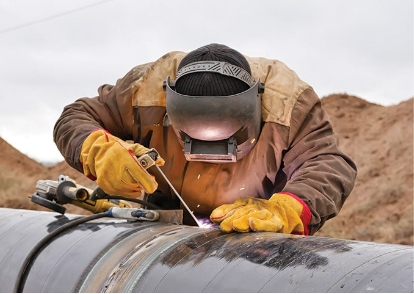
Construction, automotive, and other industries develop infrastructure and machinery with welding. This job is dangerous. If safety precautions aren’t taken, welding’s heat, fumes, and high-energy equipment can harm personnel. Moral and legal priority: welding safety.
Importance of Safety in the Welding Industry
Welding accidents are terrible. Minor to life-altering eye, respiratory, and burn injuries. Workers’ health and productivity depend on workplace safety, which lowers welding injuries. Workers protected from injury stop worrying.
Common Welding Hazards Overview
Find the most prevalent welding hazards before learning about safety advancements. This includes:
- Pollutants like carbon monoxide and nitrogen oxides
- Strong welding light and radiation cause “arc eye.”
- Burning metal, sparks, flame
- Electrical shocks arise from welding equipment’s high voltage.
- Flames and explosions, especially while welding near flammables
Review contemporary welding safety after recognizing the threats.
Latest Safety Protocols
Personal Protective Equipment (PPE) Advancements
Improved PPE is needed for welding safety. Contemporary welding helmets’ auto-darkening lenses adjust to light intensity for safety and eyesight. Lighter, better helmets reduce welder fatigue during lengthy shifts.
For fragile equipment, better gloves can resist heat and protect talent. Respiratory protection is another issue. Since welding fumes’ long-term consequences are better understood, many workshops use respirators that filter dangerous particles and gases.
Standardization and Regulation of Safety
The US government and industry associations create OSHA-like welding safety requirements. Companies obey these rules to protect workers. Enhancing internal regulations, assessing safety, and upgrading equipment to conform have reduced field accidents and injuries.
Technological Innovations in Welding Safety
Automated Safety Systems and Welding Robots
Technology alters welding safety. One of the largest advances is automated welding. In dangerous situations, welding robots replace humans. The machines weld correctly, reducing human errors, a big risk.
Use of Sensors and IoT for Real-Time Safety Monitoring
IoT and real-time sensor monitoring boost workplace safety. PPE sensors assess gas, temperature, and fatigue. The device can notify workers and safety managers of unsafe conditions for immediate action.
Training and Education
Importance of Proper Training in Safety Practices
Training is needed for welding safety even with the best equipment. Workers must recognize hazards, use tools and PPE, and handle emergencies. Regular safety drills and refresher training boost safety.
Virtual Reality and Simulation-Based Safety Training
Safety instruction is enhanced by VR. A VR simulator lets welders practice safety and skills without risk. Immersion boosts abilities and safety.
Conclusion
New PPE, rules, and technology have substantially improved welding safety. Innovative solutions protect workers and boost productivity and satisfaction. Welding requires a new safety approach. Safe welding requires constant monitoring and improvement.
